How Hiring a Professional Plumber Saves You Time and Money
Engaging a licensed plumber offers considerable advantages for residents. Their knowledge enables quick identification of problems, keeping small matters from worsening. Additionally, professional plumbing specialists use specialized tools that provide accuracy and compliance with local regulations. This commitment not only protects against potential penalties but also lowers future repair costs. Appreciating these benefits raises critical inquiries about the pitfalls of DIY repairs and how to find the right specialist for the task.
Popular DIY Plumbing Missteps to Watch Out For
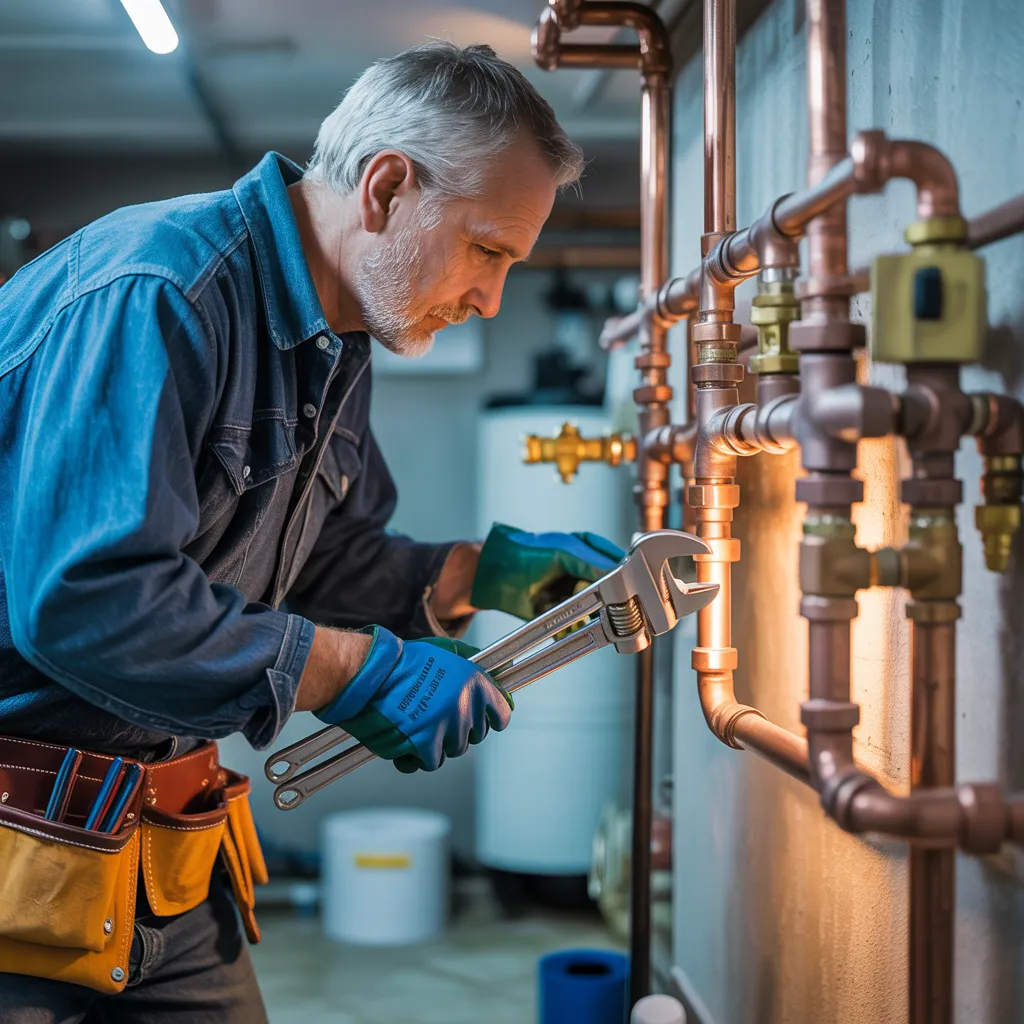
Many homeowners underestimate the challenges of plumbing, leading to frequent DIY mistakes. A frequent oversight is the incorrect use of tools, which can damage pipes or fittings. Many also fail to turn off the water supply before initiating repairs, causing flooding and additional complications. Misjudging the severity of leaks often leads to temporary fixes that fail, creating more significant issues over time.
Another frequent mistake is using the wrong sealants or adhesives, which can deteriorate when exposed to pressure or temperature variations. Homeowners may also overlook local plumbing codes, leading to possible fines or dangerous installations. Moreover, neglecting to properly evaluate the issue can lead to misguided repairs, resulting in wasted time and money. In most situations, such mistakes could simply be circumvented by hiring a qualified professional plumber, who holds the skills and knowledge to handle plumbing concerns competently and thoroughly from the beginning.
The Overlooked Costs of DIY Plumbing Work
While DIY plumbing repairs may initially seem cost-effective, homeowners often overlook concealed costs that can arise from these projects. First, acquiring equipment and materials can accumulate into significant costs, most notably when specific instruments are necessary. These financial burdens are often multiplied if the homeowner needs to purchase materials more than once due to improper measurements or miscalculations.
Additionally, a significant number of DIY repairs can unintentionally lead to further damage, increasing repair costs. As an example, an improperly fixed leak might result in water damage, mold growth, or structural issues that demand professional intervention. Homeowners may also face time losses, as inexperienced individuals might spend substantially longer on repairs than originally planned.
Additionally, the absence of warranties or guarantees on DIY work can lead to future expenses if complications reappear. All things considered, what initially appears to be a cost-effective option can evolve into a significant resource financial burden, making expert plumbing assistance a more prudent investment in the overall scheme of things.
Quick Diagnosis by Professional Plumbers
Skilled plumbing experts bring a wealth of expertise in quickly detecting plumbing problems. Using sophisticated diagnostic technology, they can accurately assess problems that could be missed by those without proper training. This effectiveness not only preserves valuable time but also minimizes further damage, providing a more reliable restoration process.
Skill in Recognizing Challenges
When faced with plumbing issues, homeowners often find themselves struggling with the complexity of the challenges before them. Professional plumbers possess the expertise to quickly identify underlying issues that may not be obvious at first glance. Their comprehensive education and field experience allow them to spot recurring signs and indicators, enabling them to differentiate between minor inconveniences and significant threats to the household plumbing network. This expertise eliminates the speculation involved in diagnosing problems, ensuring that the right solutions are executed in a timely manner. By accurately identifying issues, professional plumbers can prevent further damage and costly repairs, ultimately benefiting homeowners in terms of time and cost. Their specialized knowledge is indispensable in working through the often-confusing world of plumbing complexities.
Advanced Diagnostic Equipment
Leveraging state-of-the-art diagnostic tools, experienced plumbers can efficiently assess and address plumbing issues with thoroughness. These tools, such as inspection cameras and electronic leak detection devices, help technicians to locate problems tucked behind walls or buried underground. By delivering a comprehensive view of pipelines and infrastructure, they reduce the guesswork often involved in plumbing repairs. These innovations not only facilitates quicker diagnoses but also limits the reliance on invasive procedures, helping homeowners save time and money. Moreover, advanced diagnostic tools help plumbers generate comprehensive reports, allowing for informed decision-making regarding repairs and maintenance. Overall, relying on these advanced solutions boosts the capability and quality of plumbing services, ensuring issues are resolved promptly and accurately.
How Expert Tools Improve Plumbing Repairs
While many homeowners try to handle plumbing repairs themselves, the use of professional tools markedly enhances the effectiveness and efficiency of plumbing work. Expert plumbers employ advanced equipment like pipe inspection cameras, which provide accurate detection of underlying issues within pipe systems. This functionality supports exact problem diagnosis, lowering the chances of costly repair mistakes.
Moreover, tools like hydraulic drain cleaners and trenchless repair methods can accelerate repairs that would typically take considerable time to complete. Such advancements decrease harm to your property and assure that fixes are carried out quickly. Industry-standard wrenches and fittings also assure a firm and enduring connection, eliminating potential leaks that could result from substandard self-repair attempts.
Additionally, the appropriate instruments assure compliance with professional standards, giving homeowners peace of mind. By utilizing state-of-the-art equipment, skilled plumbers deliver superior repairs that not only save time but also minimize future costs related to plumbing mishaps.
Why Adhering to Plumbing Codes Ensures Your Safety?
Complying with plumbing codes is essential for maintaining safety and functionality in all plumbing systems. These codes are intended to minimize risks associated with plumbing installations, handling potential hazards such as leaks, water contamination, and structural damage. Following these regulations assures that methods and materials used in plumbing are verified and confirmed to be safe.
When plumbing codes are followed, the risk of costly repairs and health issues decreases considerably. For instance, poor drainage can result in standing water, fostering mold growth and posing health risks. Furthermore, standards necessitate appropriate venting systems to eliminate hazardous gas buildup.
Employing a professional plumber who is familiar with these codes certifies that installations are completed correctly, decreasing the risk of unsafe circumstances. In the end, following plumbing codes not only protects the integrity of the plumbing system but also safeguards the safety of occupants, making it a fundamental component of any plumbing undertaking.
The Ways Professional Plumbing Helps You Save Time
Expert plumbers provide experience that empowers them to swiftly pinpoint concerns that might otherwise take a homeowner considerable time to recognize. Their precise repair techniques not only tackle the problem directly but also limit inconvenience, allowing for a swift return to normalcy. By depending on certified specialists, homeowners can conserve significant time and eliminate the stress of ineffective DIY repair efforts.
Skilled Problem Diagnosis
Diagnosing plumbing concerns can be a challenging task for homeowners, often leading to avoidable setbacks and expensive errors. Skilled plumbers have the ability to accurately diagnose problems quickly. Their training and experience enable them to detect clues and signals that might go unnoticed by an inexperienced individual. With the aid of professional tools and strategies, they can pinpoint the root cause of issues, such as leaks or clogs, as opposed to simply resolving visible indicators. This professional assessment not only conserves valuable time but also minimizes further deterioration, which can increase the expense of repairs. Property owners can be assured that a professional plumber will examine the condition comprehensively, delivering confidence and ensuring that the plumbing system operates efficiently.
Effective Repair Solutions
When plumbing concerns emerge, swift and effective repairs are essential to minimize disruption in daily life. Expert plumbers carry the proficiency to quickly identify problems and implement solutions. Their training allows them to tackle difficult situations that could perplex an amateur. With the aid of professional equipment and practices, they can frequently address plumbing concerns much faster compared to what an inexperienced individual might require. This proficiency not only reinstates order but also prevents minor issues from escalating into costly repairs. Additionally, professional plumbers adhere to safety standards, minimizing the chance of additional harm or accidents. Overall, hiring a professional guarantees that plumbing repairs are handled promptly and effectively, saving valuable time and resources.
Advice for Selecting the Best Plumber
Locating the best plumber can significantly impact the cost and quality of home repairs, especially when plumbing concerns arise unexpectedly. To achieve a smooth hiring process, property owners should start by exploring local plumbing professionals. Internet reviews and suggestions from friends or family can deliver useful information.
Next, it is vital to check for proper certifications and coverage. A professional plumber should hold the necessary qualifications and be covered to prevent potential losses. Furthermore, gathering multiple quotes can help homeowners evaluate pricing and offerings.
Clear communication is also essential; a reliable plumber must be prepared to describe the problem and suggested fixes in a straightforward manner. Additionally, request references to assess their dependability and quality of work. By applying these guidelines, homeowners are able to carefully choose a plumber who satisfies their requirements and ensures high-quality repairs, effectively saving both time and money.
Common Questions and Answers
How Can I Tell if My Plumbing Issue Is an Emergency?
A plumbing issue qualifies as critical should it feature serious leaks, sewage overflow, or a drop in water pressure. Prompt attention is critical to prevent further damage, higher repair costs, and potential health risks associated with untreated issues.
What Certifications Should a Qualified Plumber Hold?
A professional plumber should possess appropriate certifications, licenses, and thorough training. They should also have experience in various plumbing systems, familiarity with local building codes, and the capability to diagnose issues effectively, delivering high-quality service to all customers.
Should I Trust Online Reviews to Find a Reliable Plumber?
Online reviews can provide valuable insights into a plumber's reliability and quality of service. Nevertheless, it is important to evaluate them carefully, taking into account possible biases and the total number of reviews to gain a well-rounded view.
How Much Time Does a Standard Plumbing Repair Usually Take?
A standard plumbing job usually takes between one to three hours, depending on the complexity of the issue. Factors such as accessibility, type of repair, and necessary materials may significantly affect the total time needed.
What Are the Typical Warning Signs of Plumbing Problems in My Home?
Frequent warning signs of plumbing troubles include draining slowly, moisture stains on ceilings or walls, odd noises from pipes, variable water pressure, and recurring unpleasant smells. Detecting these indicators at an early stage can reduce the risk of extensive damage and high repair costs.